


CM directs installation of solar panels on health institutions; renewable target reaffirmed
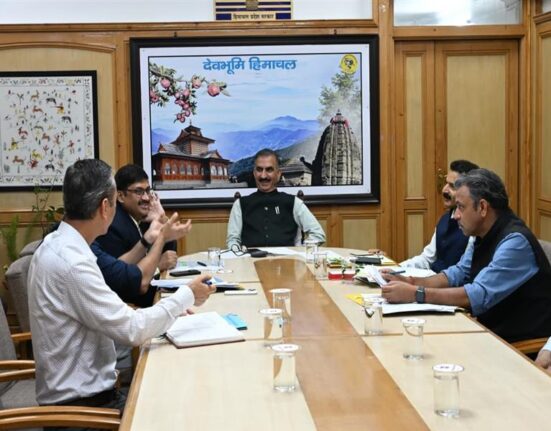
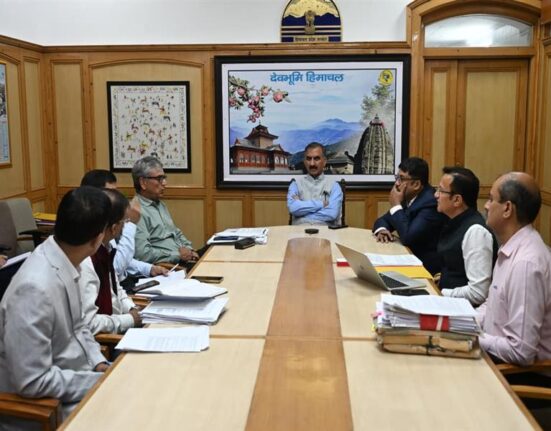
Shimla: Rooftop solar in Himachal Pradesh is set to expand significantly after Chief Minister Thakur Sukhvinder Singh Sukhu directed the installation of rooftop solar power systems on government health institutions across the state, a move aimed at strengthening clean energy adoption and reducing long-term power costs.
The Chief Minister said hospitals and health department buildings would be covered in a phased manner, ensuring uninterrupted medical services while gradually shifting public infrastructure towards sustainable energy. He noted that health institutions are among the highest consumers of electricity and can play a key role in the state’s transition to renewable power.
Rooftop Solar in Himachal Pradesh Extended to Health Sector
Officials said the directive aligns with the government’s broader plan to transform Himachal Pradesh into a Green Energy State. With an annual power consumption of nearly 13,000 million units, the state has set a clear objective to meet more than 90 per cent of its energy demand through renewable sources.
The Chief Minister said expanding rooftop solar in Himachal Pradesh would help reduce dependence on conventional power, lower operational expenditure of public institutions and strengthen energy resilience, particularly in remote and high-altitude areas where power supply disruptions are frequent.
Rooftop Solar in Himachal Pradesh Key to Renewable Roadmap
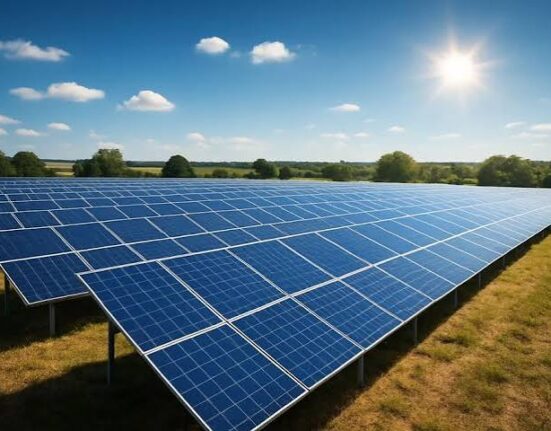
As part of its renewable strategy, the state has fixed a target to commission 500 megawatts of solar capacity within the next two years. Several solar power projects are already contributing electricity to the grid, particularly in Una district, where multiple plants have entered commercial operation and are supplying power on a regular basis.
Alongside solar expansion, the government is also promoting alternative energy sources such as green hydrogen and compressed biogas, with the aim of building a diversified and sustainable energy mix.
Community participation has been identified as a crucial pillar of the programme. Under the Green Panchayat Initiative, 500-kilowatt ground-mounted solar plants are being established in Gram Panchayats across the state. In the first phase, approvals have been granted for 24 Panchayats, with installation work underway in 16 locations.
The initiative is expected to generate 150 megawatts of solar power while also supporting local welfare. Under the revenue-sharing model, 20 per cent of the income generated from these projects will be used to provide financial assistance to orphaned children and widows in the respective Panchayats.
Operational solar projects have already begun delivering financial returns. Officials said the Pekhubela solar plant has generated substantial electricity since becoming operational, contributing significant revenue to the state. The Bhanjal and Aghlaur projects have also started generation and are gradually scaling up output.At present, three solar projects with a combined capacity of 31 megawatts are under execution, while four additional projects totalling 41 megawatts are in the tendering stage. The government has also proposed a 200-megawatt solar power project on barren land in the Damtal area of Kangra district, which would further strengthen the state’s renewable capacity
To encourage private investment, solar projects ranging from 250 kilowatts to 5 megawatts are being allotted on a first-come, first-served basis, with power purchase assured through the Himachal Pradesh State Electricity Board Limited. Hundreds of investors have already been allotted projects, and power purchase agreements have been signed for a substantial share of the approved capacity.
With rooftop solar in Himachal Pradesh now being extended to the health sector, the government believes the initiative will set a benchmark for sustainable public infrastructure, reinforcing the state’s leadership in renewable energy while aligning environmental goals with economic and social benefits.





Leave feedback about this