

*Manual and paper-based approval processes will be completely replaced with digital workflows: Harpal Singh Cheema*
*E-sanction module will ensure accountability, budget discipline and smooth financial management: Harpal Singh Cheema
*Bhagwant Mann government launches e-sanction module USMS, incentive of Rs 50 crore from center Probability of getting amount*
Chandigarh, 8 May
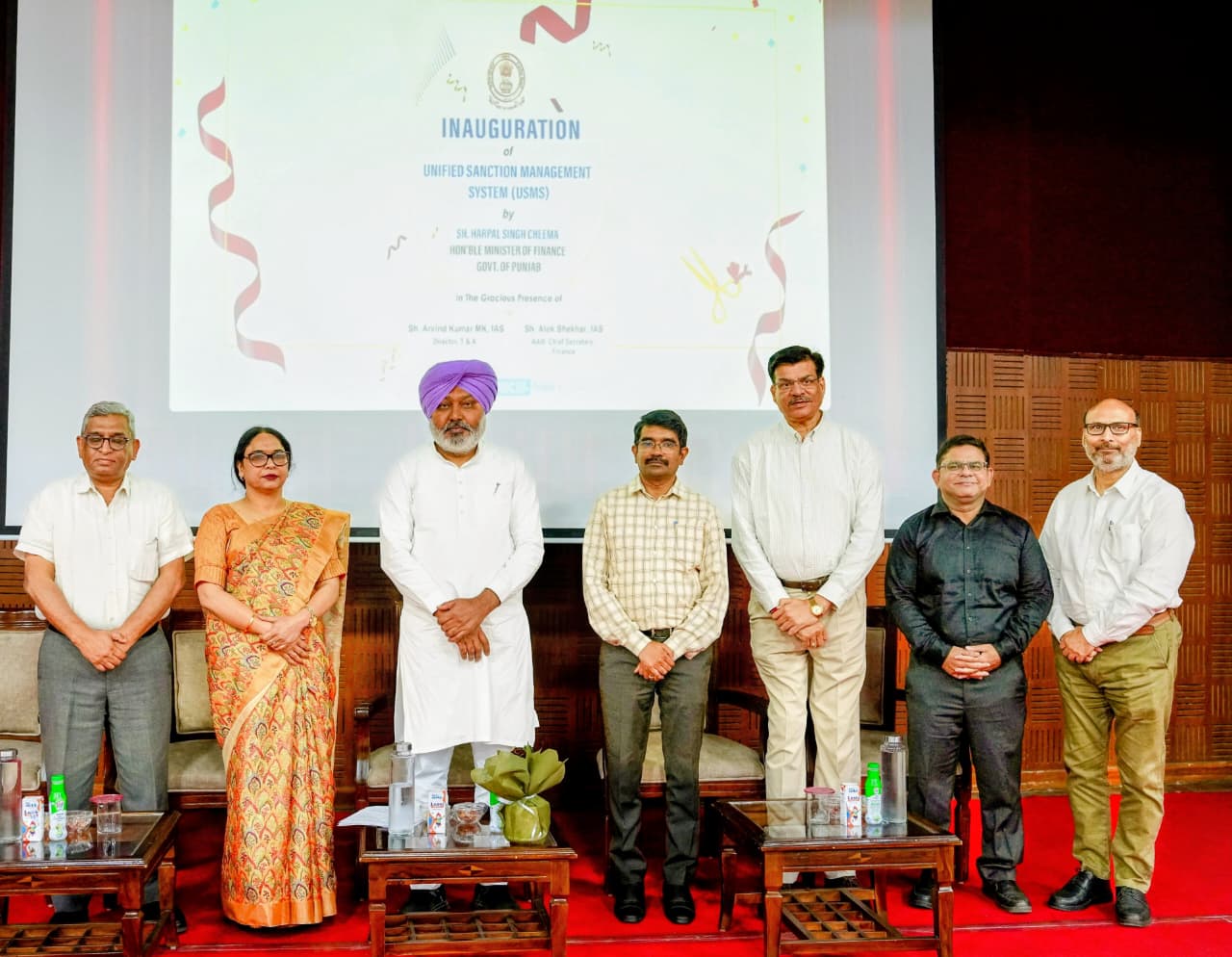
Bhagwant Mann government today launched the Unified Sanction Management System (USMS). Established a major milestone in governance. Digitizing the process of manual approvals and integrating it with the payment systems of the state For seamless connectivity, Finance Minister Advocate Harpal Singh Cheema formally inaugurated this e-sanction module.
This strategic initiative will not only transform old manual processes into end-to-end digital operations. Not only does it vary with the times, but it is also in line with central guidelines, resulting in huge financial savings for the state. Opportunities for encouragement will arise.
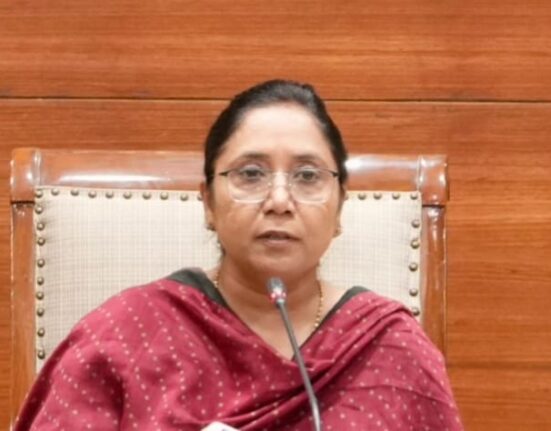
During the event organized to mark the launch of e-sanction module at Municipal Bhawan Auditorium here. Speaking, Finance Minister Harpal Singh Cheema said, “Better financial management, transparency and end-to-end To ensure digitization by 2020, the Treasury and Accounts Department in collaboration with NIC Online issuance of administrative, technical and financial approvals and subsequent bill generation approvals An e-sanction module has been developed to automatically send it to the I.F.M.S.
Detailing the key benefits of the e-sanction module, the Finance Minister emphasized on transparency and accountability. Highlighted growth. He said, “Each step of the approval process is documented with user details, timeline and approval chain.” are recorded digitally, creating a complete audit trail and improving accountability There is improvement. The system verifies budget availability before issuing approval, thereby This helps departments avoid excess expenditure and ensure adherence to budget provisions.”
Regarding digitization of sanctions, he further said, “The e-sanction module has been developed to eliminate the need for manual and paper The transaction process has been introduced to be completely replaced with digital working, which will There will be improvements in efficiency and transparency in government financial administration. This module is applicable to all departments Brings uniformity in the format and process of sanction orders in the IPC, thereby eliminating irregularities And procedural errors are reduced.”
On the important aspect of end to end integration with IFMS, the Minister assured, “This The module integrates with budget, treasury, bill processing and payment systems within IFMS. Ensures seamless integration of orders, eliminating duplication of work and manual intervention There is a decrease. With automatic verification, head of account, amount, scheme mapping, and beneficiary details Reduces related clerical errors.”
Giving background on the strategic launch of the portal, the Finance Minister said, “This module has been developed by BFAIR It has been developed following DLI-3. Government of India has given capital investment to the states. New guidelines have been issued for Special Assistance (SASCI) 2026-27, in which different sections Several financial reforms have been outlined below. In these guidelines the Directorate of This includes implementation of “e-Sanction Module” by the Office of Treasury and Accounts.”
Concluding his address, Finance Minister Harpal Singh Cheema highlighted the future implications of this technology. Shared his perspective about. He stressed, “If successfully and fully implemented”, this initiative will provide financial, administrative and Seamless end-to-end digital creation, approval and monitoring of technical approvals It is expected to bring a significant change in the state by ensuring traceability and With this, the state will also become eligible for incentives of Rs 50 crore under SASCI guidelines.”
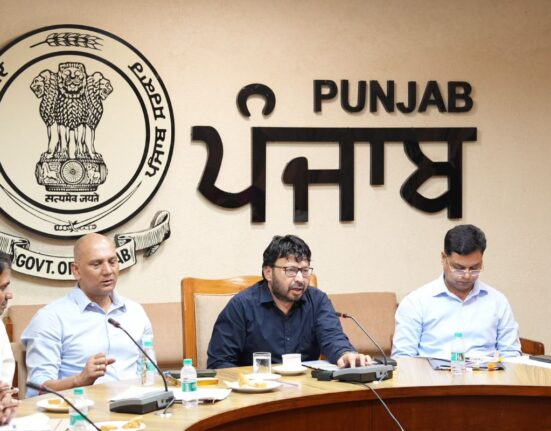
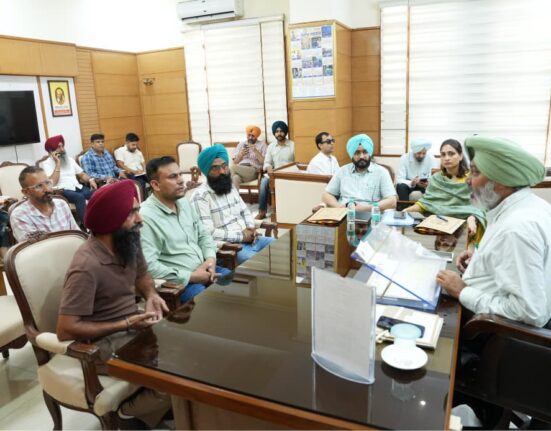
In this inaugural ceremony, the World Bank team delivered speeches by experts on the methodology of the module. And a detailed presentation was also given by the NIC team.


Leave feedback about this