

Shimla, Jan 16
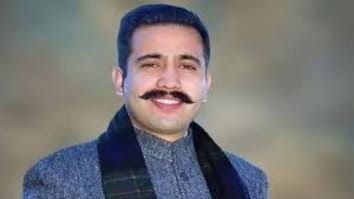
Education Minister Rohit Thakur on Tuesday chaired the second Steering Committee meeting of the HP FUTURES Project, a key education reform initiative of the Himachal Pradesh government, to review progress and discuss the roadmap ahead.
The meeting, organised under Samagra Shiksha, focused on assessing completed activities, learning from field consultations, reviewing implementation status and setting priorities for the next phase of reforms in the HP FUTURES Project.
Field Consultations and School-Level Engagements Reviewed
The Education Minister said that since the first Steering Committee meeting held in September 2025, wide-ranging consultations have been conducted with civil society organisations, SCERT, DIETs and Samagra Shiksha teams on competency-based education. School visits and interactions with teachers, students, policymakers and School Management Committees were also carried out.
He added that focused engagements on greening education were undertaken with institutions such as HIMCOSTE to integrate sustainability into school practices.
Project Aligned with National Education Vision
Rohit Thakur said the initiative was launched in 2025 following the signing of a Memorandum of Understanding between the Government of Himachal Pradesh and UNESCO. The project aligns with the National Education Policy 2020 and the National Curriculum Framework 2023, with the aim of strengthening the quality, relevance and equity of education across the state.
Three Pillars Address Himachal’s Unique Needs
The Minister said the reform initiative is built on three pillars designed to address the specific needs of Himachal Pradesh. Competency-based education focuses on moving beyond rote learning and developing critical thinking and problem-solving skills. Value education through sports promotes discipline, teamwork and leadership among students. Greening education integrates environmental awareness, sustainability and climate resilience into school curricula, which is particularly important for a hill state with fragile ecology.
Positive Impact on Classrooms and Communities
Rohit Thakur noted that the programme has helped identify gaps between policy and classroom practices, improved teacher confidence on inclusion and equity issues, increased student participation in eco-clubs and strengthened community involvement through School Management Committees.
He was informed that nearly 200 teachers from across the state have already received training in value education through sports, including specialised sessions for senior secondary physical education lecturers. More schools will be covered in the coming years with expanded training and institutional engagement.
UNESCO Support and Strong Monitoring Key to Success
Appreciating UNESCO’s technical support, the Education Minister said the whole-school and whole-community approach would benefit both teachers and students. He stressed that sustained collaboration, structured follow-up and robust monitoring systems would be essential for scaling up successful practices.
Building on Himachal’s Education Achievements
Highlighting Himachal Pradesh’s strong performance in the education sector, Rohit Thakur said the state has recently been declared fully literate and has secured top positions in national assessments such as ASER, PARAKH and NAS. He urged all stakeholders to continue focusing on innovation and quality to ensure the state remains a model for education reforms.
A detailed presentation on the project’s vision and progress was made during the meeting. Project Director Samagra Shiksha Rajesh Sharma presented the vote of thanks.
Senior officers of the Education Department, including the Director of Higher Education and Director of School Education, along with UNESCO delegates, were present on the occasion.





Leave feedback about this