

Shimla, June 11
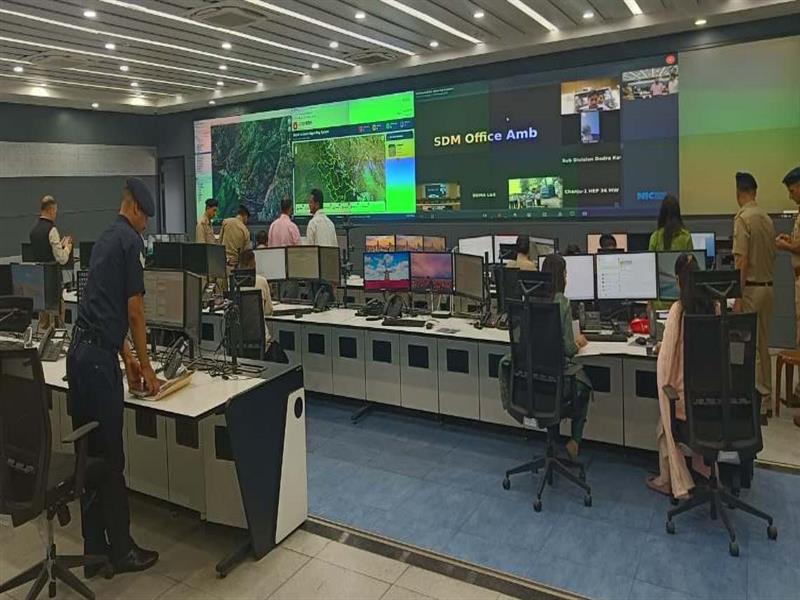
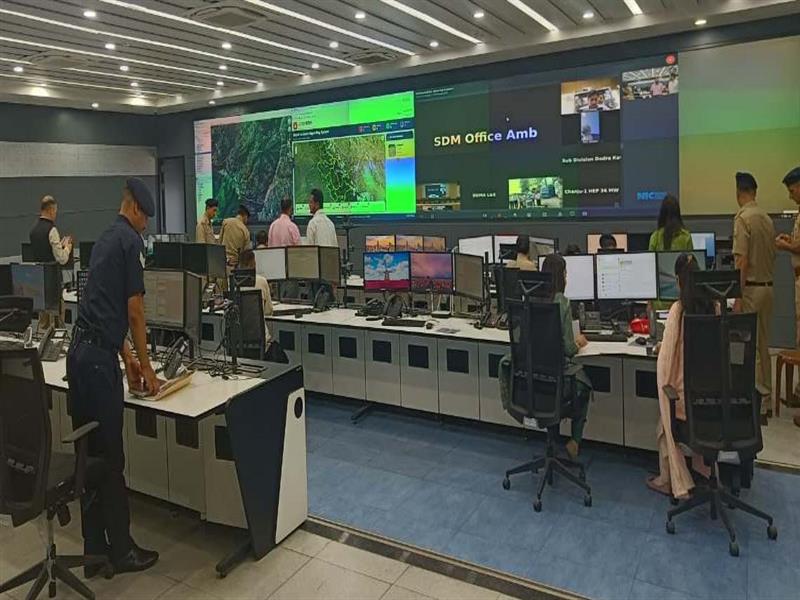
The Himachal Pradesh State Disaster Management Authority (HPSDMA), in collaboration with the National Disaster Management Authority (NDMA), successfully conducted the 10th state-wide mega mock exercise on earthquake, cloud burst and forest fire disasters to strengthen preparedness, response coordination and resilience across the state.
The mega mock exercise was conducted in three phases. An orientation and coordination workshop was organized on June 2, 2026, followed by a table-top exercise on June 12, 2026. The final phase comprised physical simulation exercises conducted across the state.
The exercise, led by Major General (Retd.) Sudhir Bahl and Special Secretary, Disaster Management, Dr. Pushpendra Rana, witnessed active participation from district administrations, emergency response agencies, health authorities, armed forces, line departments and community stakeholders. The primary objective of the exercise was to review the outcomes of recent mock exercises, assess existing preparedness levels and identify measures to enhance the state’s capacity to respond effectively to large-scale emergencies.
During the deliberations, participants reviewed the strengths demonstrated during previous exercises, particularly improved inter-agency coordination, enhanced information sharing, better resource mobilization and stronger collaboration among response agencies. The exercise highlighted the growing preparedness of districts and the commitment of all stakeholders towards building a resilient disaster management framework.
Participants also identified key areas requiring further improvement, including strengthening communication resilience during emergencies, regularly updating district disaster management plans, enhancing medical surge capacity, improving traffic regulation and evacuation management and identifying suitable staging areas for the rapid deployment of resources and responders. The need for conducting regular district-level mock exercises and simulation drills was emphasized to ensure continuous preparedness and operational readiness.
Special focus was placed on developing practical district-level surge plans for the health sector, including identification of temporary bed facilities, staffing arrangements and continuity mechanisms to enable hospitals to function effectively during prolonged emergencies, even when immediate external support may not be available.
Participants also stressed the importance of formalizing mutual-aid arrangements between districts and agencies and ensuring the timely availability of heavy machinery, specialized response resources and air support whenever required. The exercise further underscored the need to strengthen preparedness measures for vulnerable populations, including children, senior citizens and persons with disabilities, by ensuring dedicated protection, evacuation and relief arrangements.
Directions were issued to all districts to submit consolidated surge-capacity plans and staging-area plans within the stipulated timeline. District administrations were also instructed to finalize and disseminate exercise schedules, public advisories and preparedness information in advance to ensure wider community participation and awareness.
Reaffirming the Government’s commitment to disaster risk reduction and preparedness, HPSDMA emphasized that continuous capacity building, regular updating of disaster management plans, strengthened communication systems and periodic mock exercises remain essential for ensuring a prompt, coordinated and effective response during major disasters. It was also reiterated that efforts would continue to strengthen operational readiness, inter-agency coordination and community resilience to safeguard lives, livelihoods and critical infrastructure in the event of any disaster.





Leave feedback about this