

Punjab adopts multi-departmental approach to combat vector-borne and water-borne diseases
– State Task Force meeting jointly chaired by Health Minister Dr. Balbir Singh and Finance Minister Harpal Singh Cheema
– Dr. Balbir Singh calls for a ‘One Health’ approach to combat dengue and zoonotic threats
– A dramatic decline in dengue cases: from 23,389 confirmed cases in 2021 to only 4,981 in 2025; deaths decreased from 55 to just 8 during the same period
Chandigarh, April 3:
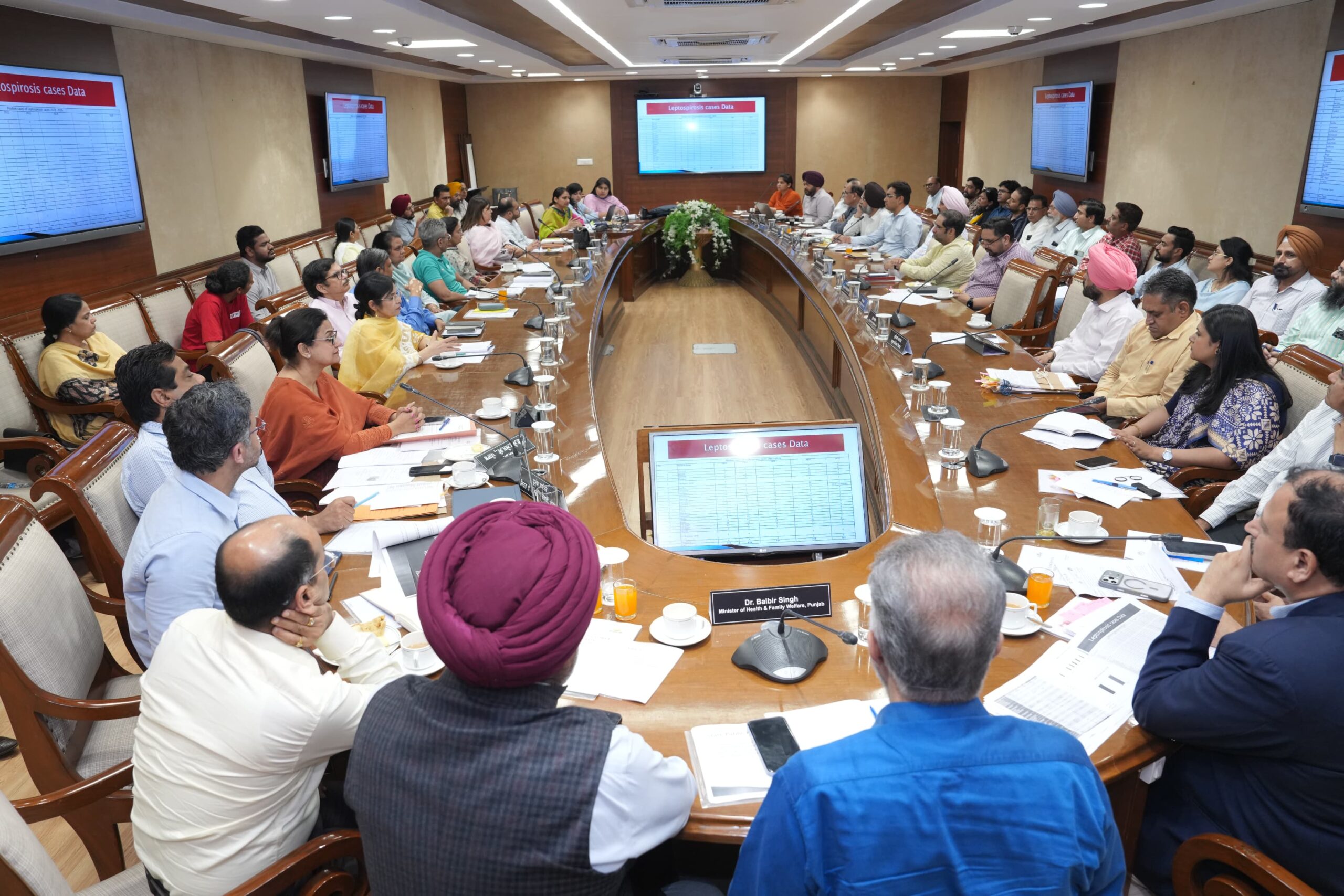
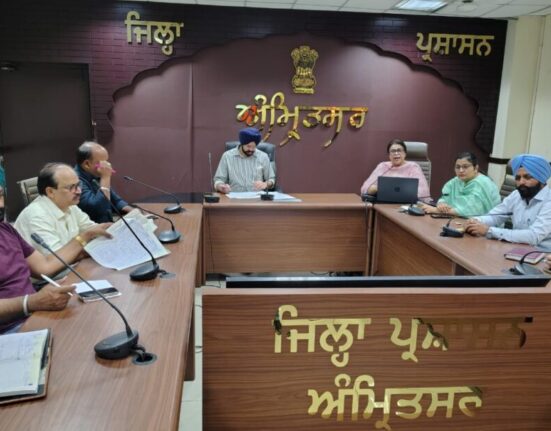
Taking decisive steps to safeguard the health of the people in view of the upcoming high-transmission season, Health and Family Welfare Minister Dr. Balbir Singh and Finance and Transport Minister Harpal Singh Cheema jointly chaired a high-level State Task Force meeting to formulate an integrated response against vector-borne, waterborne and zoonotic diseases across the state.
Addressing a meeting of concerned departments, Health Minister Dr. Balbir Singh said that a ‘One Health’ approach integrating human, animal and environmental health strategies is urgently needed to combat diseases like dengue, malaria, chikungunya, rabies and leptospirosis. He informed that Punjab has significantly strengthened its diagnostic infrastructure, with free ELISA testing for dengue and chikungunya now available at 47 sentinel surveillance hospitals, and malaria RDT and dengue testing being expanded to all Aam Aadmi Clinics.
Reviewing the department’s efforts, he said that dengue cases have declined from 23,389 in 2021 to 4,981 in 2025, while related deaths have dropped from 55 to just 8. He said this decline is a direct result of the department’s strategic initiative of door-to-door surveillance and 15 million visits during the last season.
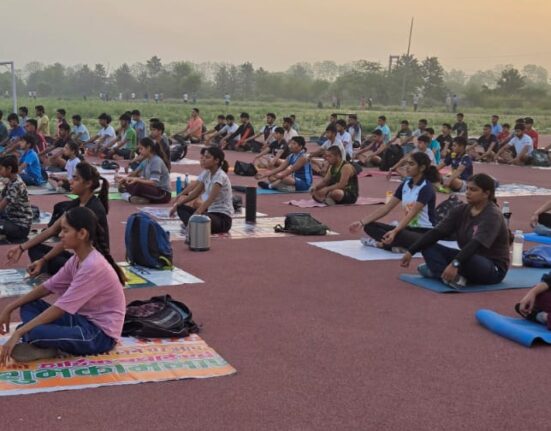
The Health Minister gave strict instructions to all departments to make the ‘Har Friday Dengue Te Vaar’ campaign (every Friday from 8 am to 9 am) a mass movement, ensuring the participation of students and teachers, to eliminate mosquito breeding sites such as stagnant water in coolers, flower pots, and overhead tanks. He expressed concern that dengue is no longer an urban disease, as approximately 42 percent of cases in 2025 are reported from rural areas. Therefore, there is a need to focus on fogging, larvicidal sprays in village ponds, and releasing Gambusia fish for mosquito control.
Taking forward the agenda on zoonotic threats, the Health Minister discussed the National Rabies Control Program and said that while anti-rabies vaccines are available at 746 government health facilities across the state, departments should expedite the creation of district-wise animal birth control facilities to achieve 70 percent herd immunity in the dog population.
He emphasized that the Integrated Disease Surveillance Program is now using the IHIP portal for real-time reporting of disease prevalence and asked the Indian Medical Association to ensure that private practitioners promptly report all notified diseases so that timely remedial actions can be implemented in the province.
During the meeting, Dr. Balbir Singh expressed concern over water borne diseases and directed the local bodies and water supply departments to ensure 100 per cent chlorination of drinking water and regular sampling at specially identified hotspots to prevent outbreak of Hepatitis A, E, Diarrhoea and Cholera.
Expressing concern over the recent outbreak of leptospirosis in Hazara Singh Wala village in Ferozepur district, Dr. Balbir Singh stated that he would visit the village with the Deputy Commissioner to determine the causes of the outbreak and ensure appropriate remedial measures. He further stated that model SOPs would be developed for such cases to prevent any such disease outbreak in Punjab.
Finance and Transport Minister Harpal Singh Cheema assured that the Finance Department would provide all necessary support to sustain the improvement in the situation.
He emphasized that all Punjab Roadways and PRTC workshops have been directed to ensure timely disposal of tires and scrap vehicle parts, which become breeding grounds for Aedes mosquitoes. He appealed to all stakeholders to maintain the momentum of efforts to create a disease-free Punjab by the year 2026.
Principal Secretary Health and Family Welfare Kumar Rahul, Member Punjab Development Commission Anurag Kundu, MD PHSC Amit Talwar, Secretary Local Bodies Manjit Singh Brar, Director Health and Family Welfare Dr. Hitinder Kaur, Director Health Services (Family Welfare) Dr. Aditi Salaria, Director (ESI) Dr. Anil Kumar Goyal, Deputy Director Dr. Manju Bansal, Assistant Director Dr. Manmeet Kaur, State Program Officer NVBDCP Dr. Arshdeep Kaur, Dr. Prabhleen Kaur and other officers of the concerned departments were present in the meeting.



Leave feedback about this