

Rohtak, April 23
In a significant move to enhance road safety and curb rising accidents, the district administration of Rohtak has initiated concrete steps in collaboration with the National Highways Authority of India (NHAI) to upgrade infrastructure at key accident-prone locations.
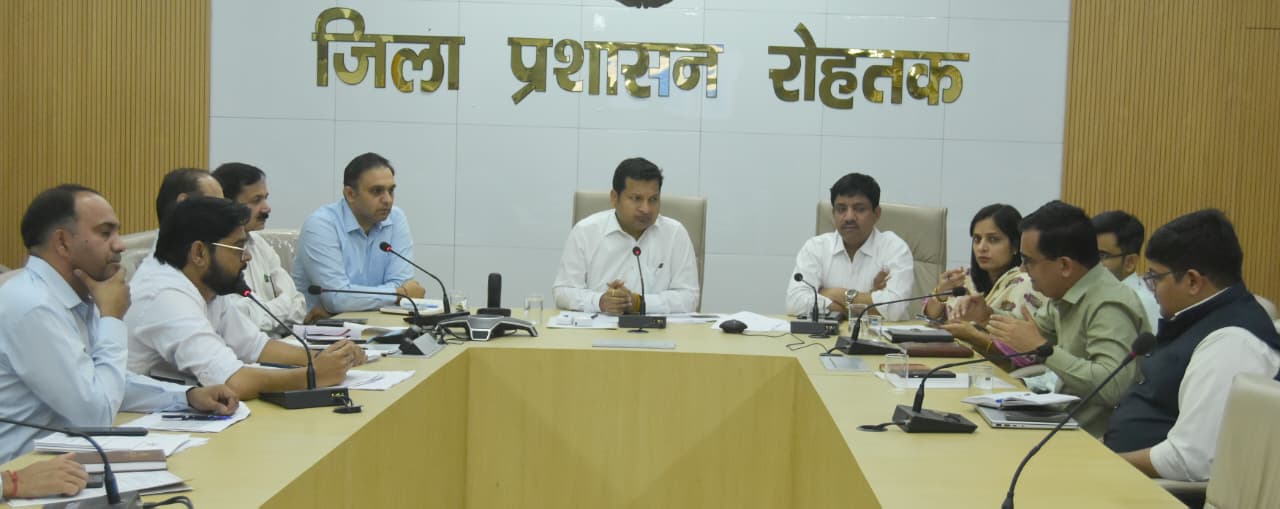
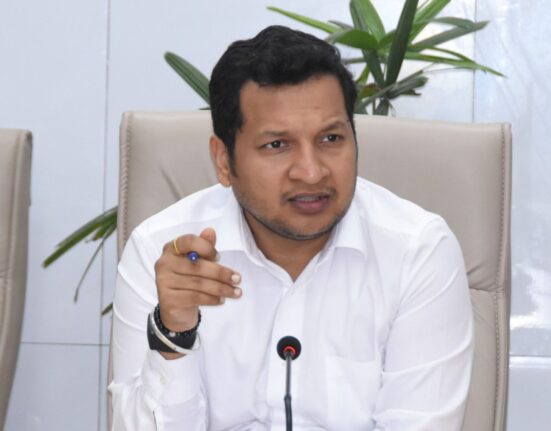
Chairing a high-level review meeting with NHAI officials, Deputy Commissioner Sachin Gupta stressed that road safety is not merely an administrative priority but a life-saving mission. He directed officials to fast-track long-term engineering solutions to effectively tackle recurring accidents and traffic hazards in the district.
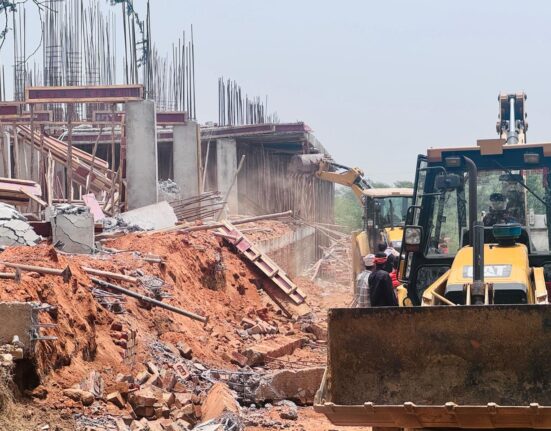
To address these concerns, NHAI has proposed the construction of flyovers at Kharawar Bypass, IIM Chowk, and Chuliana Mod—locations that have witnessed frequent accidents and pose serious risks to commuters. These structural interventions are aimed at ensuring smoother and safer traffic movement across these busy junctions.
Officials informed that all proposals are targeted for approval within the current financial year. Once approved, construction of all three flyovers will be undertaken simultaneously, with a projected completion timeline of two years.
Highlighting the broader objective of the initiative, the Deputy Commissioner said the projects are focused on minimizing road accidents and fatalities, improving traffic flow, and reducing congestion to make daily commuting safer for citizens. He instructed NHAI officials to prioritize safety-driven designs, eliminate risk factors, and ensure strict adherence to timelines.
The district administration is also working in close coordination with NHAI and other departments to identify and rectify black spots, strengthen road engineering measures, and enhance monitoring and enforcement mechanisms. Reiterating the administration’s commitment, the Deputy Commissioner emphasized that building a safe, efficient, and future-ready road infrastructure remains a top priority. “Every accident prevented is a life saved. Infrastructure must anticipate risk—not react to tragedy,” he added.



Leave feedback about this